Many modern raid and dungeon encounters are not defeated simply by surviving fixed mechanics. Instead, they are constrained by time-based escalation systems that punish slow kills. Boss Soft Enrage Management defines the encounter’s Pacing Strategy—how damage, cooldowns, and survivability are distributed across the fight.
Proper pacing enables Controlled Finishes, where the boss dies just before escalation becomes lethal. Poor pacing results in Rapidly Escalating Damage, overwhelming healers, exhausting defensives, and causing wipes even when mechanics are executed correctly.
This expanded analysis explains how soft enrages work, why raw DPS is not enough, and how disciplined resource timing determines whether the final phase is stable or chaotic.
Understanding Soft Enrage Design
A soft enrage differs from a hard enrage in that the fight does not end instantly. Instead, pressure increases continuously until survival becomes impossible. These mechanics are designed to test consistency, endurance, and planning.
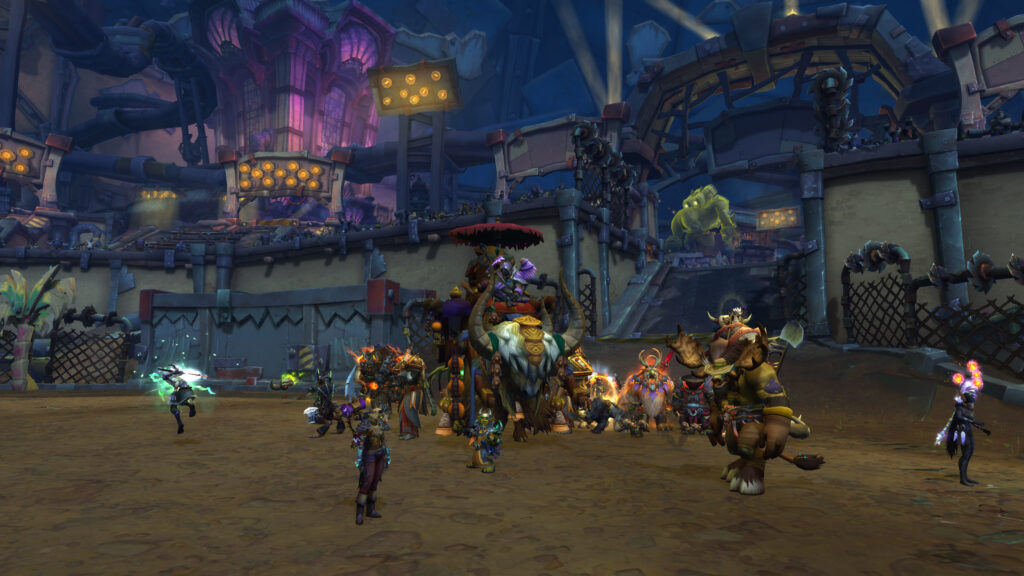
Common soft enrage patterns include:
- Permanent stacking debuffs that increase damage taken
- Boss abilities that ramp in frequency or intensity
- Shrinking safe zones that limit movement
- Unending add spawns that overwhelm healing and tanking
Without a pacing strategy, groups often reach the final phase with no cooldowns, forcing healers into unsustainable triage and leading to rapid collapse.
The Escalation Curve and Resource Reality
Soft enrages follow an escalation curve rather than a flat difficulty line. Early phases feel forgiving, which often tempts groups to overuse resources. This creates a false sense of security that collapses later.
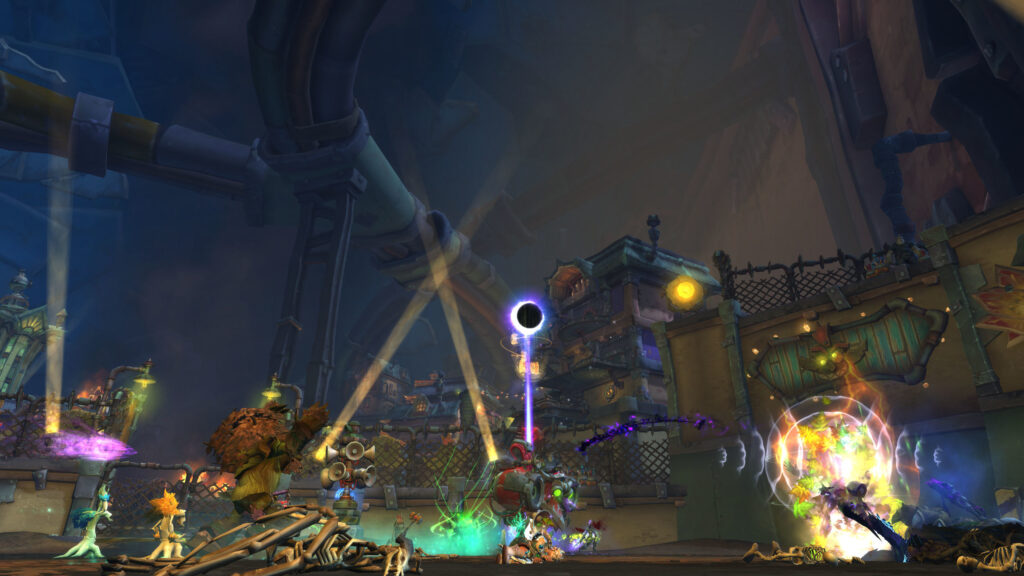
Rapidly Escalating Damage occurs when:
- Major DPS cooldowns are spent early with minimal payoff
- Defensive cooldowns are layered unnecessarily in safe phases
- Healing throughput is relied on instead of mitigation
Once escalation reaches its peak, healing alone cannot compensate for missing mitigation and burst damage.
Pacing and Resource Budgeting Protocol
Effective soft enrage management requires strict budgeting of all major tools. Every cooldown must be assigned a purpose tied to escalation timing.
- Identify the Escalation Threshold: Determine exactly when the fight becomes lethal (stack count, arena size, add volume, or damage frequency).
- Offensive Cooldown Reservation: Bloodlust and major personal cooldowns are saved for this threshold, not for comfort earlier in the fight.
- Defensive Tiering: Minor defensives cover early ramps, while raid-wide and tank externals are reserved for the final window.
This protocol ensures the group still has tools available when the encounter becomes most dangerous.
Executing a Controlled Finish
A Controlled Finish is not frantic. It is deliberate, rehearsed, and synchronized. The boss dies while the raid is under pressure—but not overwhelmed.
| Soft Enrage Type | Common Failure | Controlled Finish Execution |
|---|---|---|
| Stacking Damage Debuff | Cooldowns used before stacks are dangerous | Burst saved for final stack window to shorten exposure |
| Shrinking Arena | Movement inefficiency extends fight duration | Maximized DPS uptime during movement phases |
| Infinite Adds | Add pressure ignored until healing collapses | Controlled add thinning to preserve healer resources |
Controlled finishes rely on discipline: holding damage when instructed, trusting the plan, and resisting the urge to panic early.
Why Soft Enrage Wipes Feel Sudden
Many groups report that soft enrage wipes feel “random” or “instant.” In reality, the wipe was decided minutes earlier when cooldowns were spent inefficiently.
By the time damage becomes lethal, the outcome is already locked in. Soft enrage mechanics simply reveal earlier pacing mistakes.
Conclusion
Boss Soft Enrage Management is the defining Pacing Strategy of modern encounters. Success depends not on maximum early damage, but on intelligent resource allocation across the entire fight.
Teams that align burst and mitigation with the escalation threshold achieve Controlled Finishes and consistent kills. Those that ignore pacing are inevitably consumed by Rapidly Escalating Damage—regardless of mechanical skill.